
DHI Hair ImplantationControlled Graft Placement
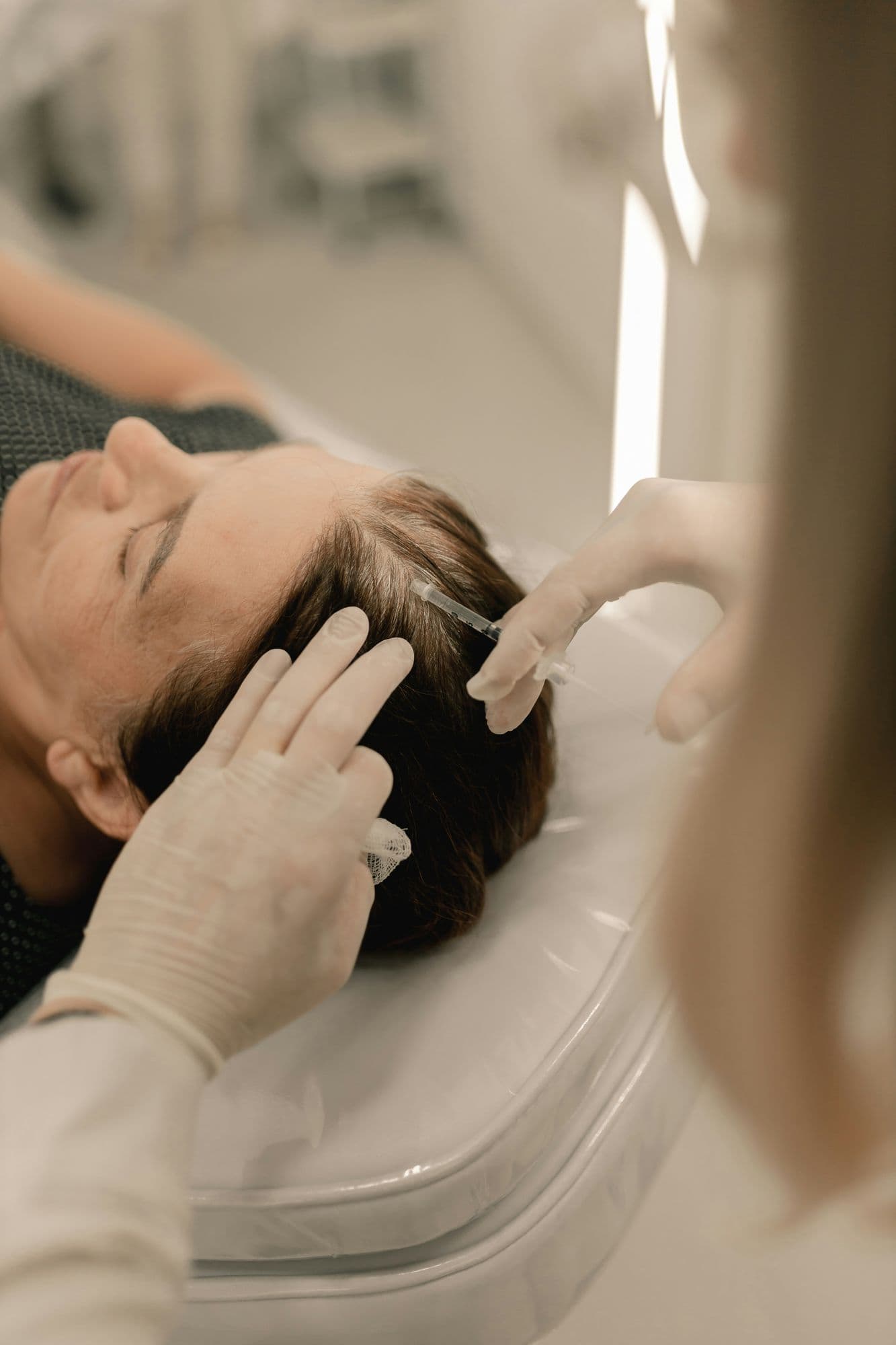
Direct Hair Implantation uses an implanter pen to control the direction and angle of each graft as it is placed.
A doctor reviews your case before anything is booked.
What is DHI?
DHI (Direct Hair Implantation) uses a special implanter pen (Choi pen) to place hair follicles directly into the scalp without creating pre-made channels. This can provide control over graft placement, but it does not mean greater density or better results on its own. Follicles still have to be extracted from the donor area first, usually by FUE.
Key Benefits
- Control over graft placement angle and direction
- Precise graft placement is possible; higher density is not assured
- No pre-made incisions
- Faster implantation of grafts
- Supports detailed hairline design
- Designed for a natural-looking finish
How the DHI Procedure Works
- 1
Donor area prepared
- 2
Hair follicles extracted individually
- 3
Grafts loaded into the implanter pen
- 4
Direct implantation into the scalp
- 5
Healing begins quickly
Who Is It For?
DHI may suit patients who:
- Want detailed control of graft placement
- Have high aesthetic expectations
- Need precise hairline design
- Prefer minimal handling of grafts
- Want a natural-looking result
Suitability is confirmed by the surgeon after assessing your hair loss and donor area.
Results Timeline
2–3 weeks
Healing phase
3–4 months
New hair growth
6–9 months
Visible density improvement
12 months or longer
Results continue to mature
Results vary from person to person.
FUE and DHI at a Glance
Both techniques move your own follicles from the donor area. The main difference is how the grafts are implanted.
| FUE | DHI | |
|---|---|---|
| What the term describes | Taking individual follicles from the donor area | Placing grafts with an implanter (Choi) pen |
| Recipient channels | Tiny channels are made before implantation | No separate channel creation; implantation happens during placement |
| Scarring | No linear scar; small dot scars where follicles were taken | No linear scar; follicles are still extracted, so small dot scars can remain |
| Often chosen for | Larger areas and higher graft numbers | Detailed hairline work |
| Density and precision | Depend on donor supply, planning and the team’s skill | Depend on donor supply, planning and the team’s skill |
| Recovery | Generally similar | Generally similar |
What the term describes
- FUE
- Taking individual follicles from the donor area
- DHI
- Placing grafts with an implanter (Choi) pen
Recipient channels
- FUE
- Tiny channels are made before implantation
- DHI
- No separate channel creation; implantation happens during placement
Scarring
- FUE
- No linear scar; small dot scars where follicles were taken
- DHI
- No linear scar; follicles are still extracted, so small dot scars can remain
Often chosen for
- FUE
- Larger areas and higher graft numbers
- DHI
- Detailed hairline work
Density and precision
- FUE
- Depend on donor supply, planning and the team’s skill
- DHI
- Depend on donor supply, planning and the team’s skill
Recovery
- FUE
- Generally similar
- DHI
- Generally similar
Not sure which suits you? A specialist can recommend an approach after assessing your hair loss and donor area.
Risks to Discuss
Hair transplantation is surgery. Possible complications include infection, bleeding, scarring, folliculitis, poor growth, an uneven hairline, visible donor-area thinning and altered sensation, and the result may not meet expectations. Natural hair loss can continue in areas that were not treated.
Estimated Price Range
Hair transplant package, from approximately
€1,350
Included: Accommodation, Airport transfers
Flights are not included
Final pricing depends on individual assessment and treatment requirements.
Prices checked October 2026
Frequently Asked Questions
Which technique is right for me?
It depends on your hair loss pattern, donor area and desired density. FUE describes how grafts are taken from the donor area; DHI describes placing grafts with an implanter pen, and the two are often used together. Neither label on its own means a better result. A consultation with a specialist is needed to choose the right approach for your case.
Is the procedure painful?
The procedure is performed under local anaesthesia to reduce pain during treatment, although some discomfort is possible. Some mild discomfort or tightness may occur afterwards, but it is usually manageable and temporary.
How many grafts will I need?
The number of grafts varies depending on the level of hair loss and desired density. It can range from 1,000 to 4,500+ grafts. A proper assessment is required to determine the exact number for your individual case.
When will I see the results?
Initial growth usually starts after 3–4 months. Noticeable improvements appear around 6 months, and full results often take around 12 months or longer and vary by individual.
How long does hair transplant recovery take?
Tiny scabs in the treated area usually fall off naturally within about 7–10 days, and many people resume light daily activities after a few days. Full healing of the scalp can take a few weeks, and some people need one to two weeks away from work. Follow your surgeon’s advice for your job and recovery.
Further reading
Considering DHI?
Book your free DHI consultation today.
A doctor reviews your case before anything is booked.