
Primary Rhinoplasty
A first-time operation may change nasal bone and cartilage using an open or closed surgical approach. The choice depends on your anatomy, the planned changes and the surgeon’s assessment; neither approach suits everyone.
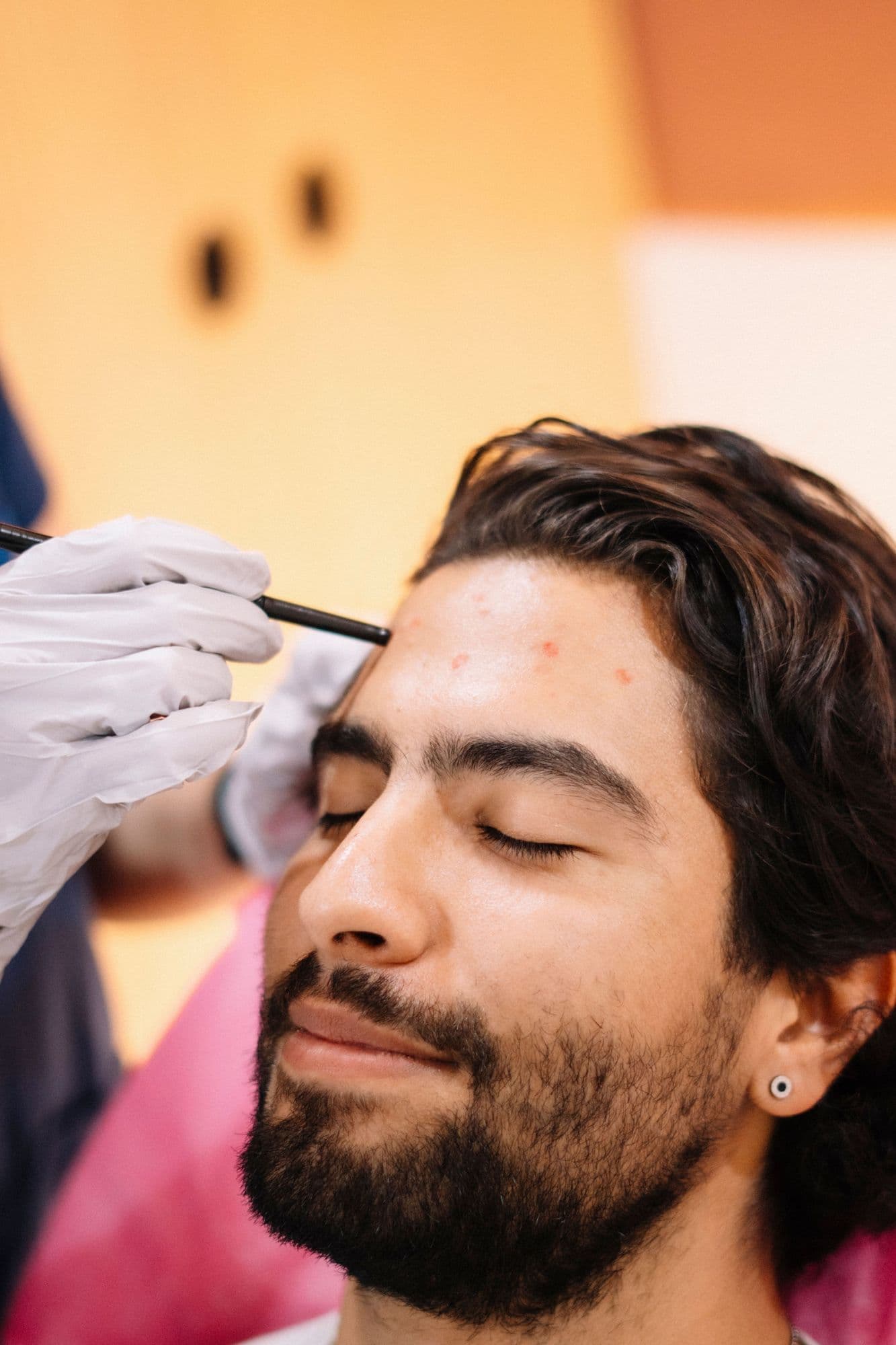
Information on cosmetic and functional nose surgery at a certified partner private hospital in Izmir, Turkey, with an individual assessment of appearance and breathing.
A doctor reviews your case before anything is booked.

A first operation to change the shape or size of the nose, using an open or closed approach.
Learn more about rhinoplasty
Surgery to address problems after a previous operation, which can be more complex.
Learn more about revision rhinoplasty
Operations that correct internal structural causes of restricted airflow.
Learn more about functional rhinoplastyContact us via WhatsApp or our quick form.
Tell us about your needs and send any photos if required.
We provide you with details and options suitable for you.
Our partner private hospital carries out your treatment, and we stay in touch before, during and after.
Rhinoplasty is surgery to change the shape or size of the nose. Depending on the clinical issue, it may address a dorsal hump, the nasal tip, nostril position, asymmetry or structural problems. Some procedures include work intended to improve breathing, but a cosmetic operation does not automatically improve nasal function. The surgeon must assess appearance and airway function together.
A first-time operation may change nasal bone and cartilage using an open or closed surgical approach. The choice depends on your anatomy, the planned changes and the surgeon’s assessment; neither approach suits everyone.
Revision procedures address problems after a previous operation. They can be more complex because of scar tissue, altered support and limited cartilage. Additional graft material may be needed, and the change that can be achieved may be limited.
Some operations correct internal structural causes of restricted airflow, possibly alongside cosmetic changes. Persistent nasal blockage can have several causes, and a clinician must diagnose the problem before advising whether surgery is appropriate.
An assessment considers general health, breathing symptoms, nasal anatomy, previous injuries or operations, smoking, medication, skin thickness and realistic expectations. You should have an unhurried opportunity to discuss benefits and limitations. A visual simulation may help communication but is not a promise of the final result.
A surgeon examines the external shape, internal nasal structures and, where appropriate, function. Ask whether bone and cartilage will be changed, whether grafting is expected, where any scars may be and whether the operation will affect breathing. Agree the intended plan and alternatives before travelling. The final plan may change after an in-person examination.
Bruising, swelling, nasal blockage, temporary numbness and mild bleeding can occur after rhinoplasty. A nasal splint is often used during early healing. Many patients need around two weeks away from work, but swelling and refinement can continue for months and the final appearance may take longer. Avoid blowing your nose, vigorous activity and contact sports until the surgeon says you can.
Potential complications include bleeding, infection, prolonged swelling, asymmetry, dissatisfaction with appearance, altered sense of smell, nasal blockage, septal injury, persistent breathing problems and the need for revision surgery. Surgical and anaesthetic complications can also include blood clots. The operation cannot promise an exact nose shape or a result that matches a photograph.
For treatment abroad, get the name and credentials of the operating surgeon, the expected admission and review dates, the splint removal plan, any travel restrictions and the route for urgent complications in Turkey and after you return to the UK. Do not book flights before receiving medical clearance. Agree who arranges follow-up and what happens if you need treatment at home.
The partner hospital’s listed price includes airport transfers and accommodation. Flights are arranged separately.
| Treatment | From approximately |
|---|---|
| Rhinoplasty (nose surgery)Included: Accommodation, Airport transfersFlights are not included | €2,200 |
Prices checked October 2026Final pricing depends on individual assessment and treatment requirements.
Ask for a written breakdown of surgeon and hospital fees, anaesthesia, tests, medicines, follow-up and possible revision costs. The hospital confirms the final treatment plan and receives payment directly.
Talk to our team about the next step and how a surgeon assesses your case.
A doctor reviews your case before anything is booked.
Open surgery usually includes an incision across the tissue between the nostrils; closed surgery uses incisions inside the nose. The surgeon explains which approach suits the planned correction.
Some functional operations may address structural obstruction, but improvement cannot be assumed without diagnosis and an appropriate plan.
Swelling often improves over weeks and months, while finer changes can continue for longer. The surgeon will explain a realistic timeframe.
It can be, because tissue has already been operated on and scarring or graft requirements may affect the options.
Only when the treating surgeon considers it medically appropriate, following the scheduled examinations and recovery period.
The hospital’s listed rhinoplasty price includes airport transfers and accommodation. Flights are arranged separately. Ask for the written quotation and its exclusions.
Verified reviews from CureMed patients will appear here once they are available.