
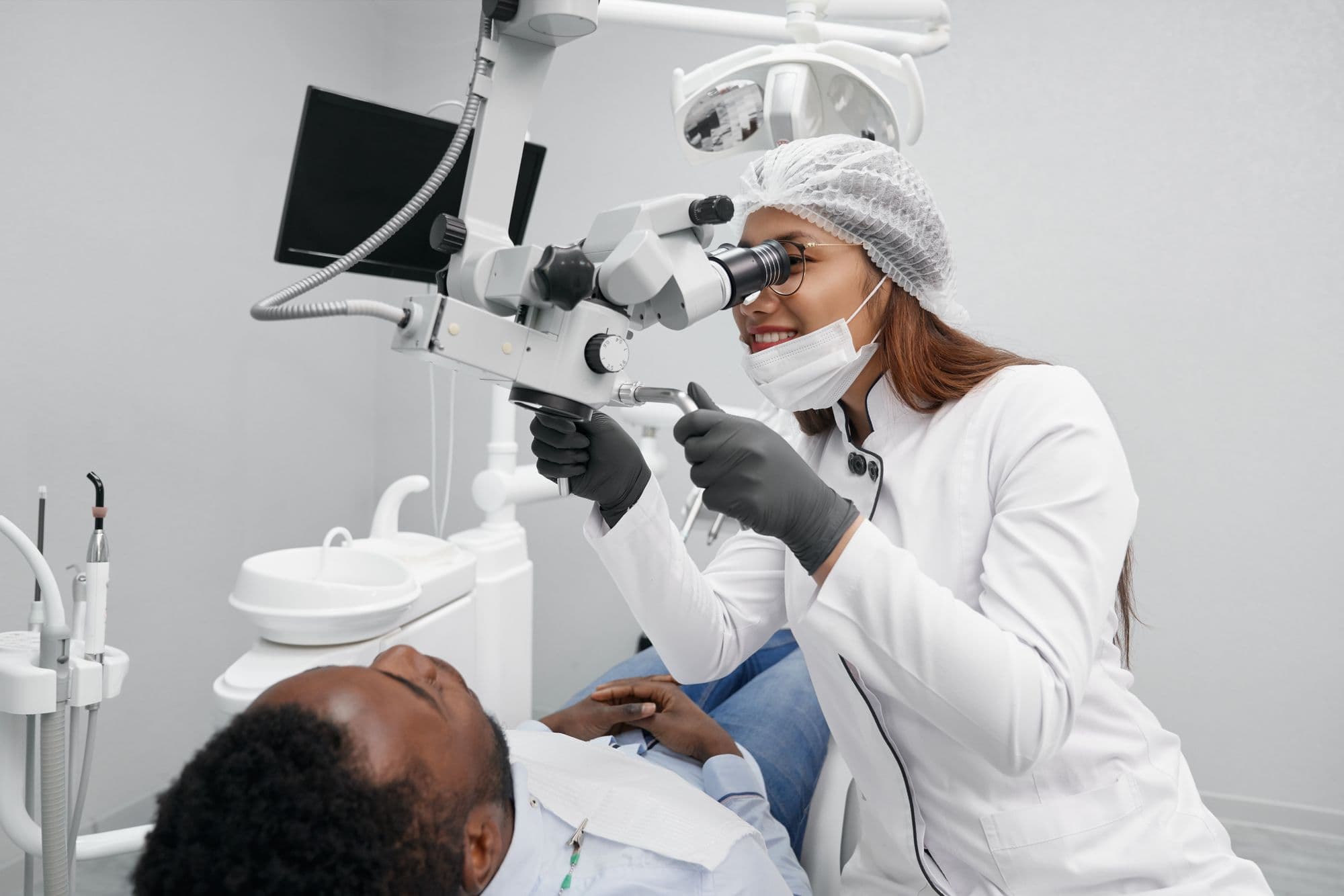
Full Mouth Restorationfor UK Patients
Rebuild your smile with a personalised plan for your whole mouth.
A doctor reviews your case before anything is booked.
Looking at the Whole Mouth
Living with multiple missing, damaged, worn or failing teeth can affect far more than your appearance. Many people struggle daily with eating, speaking, smiling and feeling confident in social situations. Full mouth restoration is a comprehensive treatment designed to rebuild your smile while improving oral health, function and comfort. Rather than focusing on a single tooth, it looks at your mouth as a whole and creates a personalised plan.
What Is Full Mouth Restoration?
Full mouth restoration is a customised treatment plan that combines several dental procedures to restore the health, function and appearance of your whole mouth. Every patient is different. Some may need dental implants to replace missing teeth; others may need crowns, bridges, veneers, gum treatment or bite correction. The goal is always the same: a healthy, functional smile that feels natural and lasts for years.
More Than Just Cosmetic Dentistry
Many people assume full mouth restoration is simply about appearance. In reality, it often addresses functional problems that affect everyday life. Patients often seek treatment because they struggle with:
- Missing teeth
- Broken or heavily restored teeth
- Difficulty chewing
- Chronic dental pain
- Jaw discomfort
- Bite problems
- Severe tooth wear
- Advanced gum disease
- Lack of confidence when smiling
A healthy smile plays an important role in your overall health, nutrition, comfort and wellbeing.
Who Is Full Mouth Restoration For?
This treatment may be suitable for patients who:
- Have multiple missing teeth
- Have severely damaged or worn teeth
- Have failing crowns or bridges
- Have advanced dental issues
- Have difficulty chewing food
- Want a complete smile transformation
- Feel embarrassed about their smile
- Need both functional and cosmetic improvements
Whether your dental problems developed gradually or resulted from trauma, a personalised restoration plan can help rebuild your smile.
Common Signs You May Need Full Mouth Restoration
Difficulty Eating
Chewing becomes uncomfortable or limited.
Frequent Tooth Breakage
Teeth crack, chip or fail repeatedly.
Missing Teeth
Gaps affect both function and appearance.
Jaw Pain
Poor bite alignment can place stress on the jaw joints.
Excessive Tooth Wear
Years of grinding or erosion may damage the teeth.
Lack of Confidence
You avoid smiling, photographs or social situations.
If any of these sound familiar, a consultation can help identify the most appropriate treatment options.
Why Patients Delay Treatment
Many patients live with dental problems for years before seeking help, because of anxiety, previous negative experiences, concerns about cost or not knowing which option is right for them. Dental problems often become more complex over time, so seeking professional advice early can help you understand your options and make informed decisions.
Every Smile Is Unique
Full mouth restoration is never a one-size-fits-all treatment. Some plans focus on dental implants; others involve crowns, bridges, veneers or a combination. Your plan is designed around:
- Your oral health
- Your smile goals
- Your facial features
- Your budget
- Your long-term needs
What Treatments Can Be Included?
Depending on your needs, treatment may involve:
Dental Implants
Used to replace missing teeth.
Dental Crowns
Strengthen and restore damaged teeth.
Dental Bridges
Replace missing teeth when implants are not appropriate.
Veneers
Improve the shape, size and appearance of visible teeth.
Gum Treatments
Restore gum health and support long-term results.
Bone Grafting
May be recommended if more bone support is needed before implant treatment.
Bite Rehabilitation
Corrects functional issues and improves comfort.
Your Journey Begins with Advanced Diagnostics
Successful treatment starts with understanding the complete picture. Your consultation may include:
Digital Smile Analysis
Allows specialists to evaluate aesthetics and facial harmony.
3D CBCT Scans
Provide detailed images of bone structure.
Digital Impressions
Create accurate models of your teeth.
Bite Assessment
Evaluates how your teeth function together.
Oral Health Evaluation
Identifies any underlying issues that need attention.
This information helps create a personalised treatment plan.
Why Modern Digital Dentistry Matters
Digital planning allows specialists to:
- Improve precision
- Enhance patient comfort
- Reduce treatment uncertainty
- Create more predictable outcomes
- Visualise final results before treatment begins
Restoring Function: The Foundation of Every Smile
A beautiful smile is important, but function comes first. Full mouth restoration aims to restore:
Comfortable Chewing
Enjoy a wider range of foods without discomfort.
Improved Speech
Missing or damaged teeth can affect pronunciation.
Better Bite Balance
Proper alignment reduces strain on teeth and jaw joints.
Long-Term Stability
Helps protect your oral health for years to come.
The Aesthetic Transformation
Once function has been restored, attention turns to appearance. Treatment can improve:
Tooth Shape
Creating a balanced smile.
Tooth Colour
Brighter, healthier-looking teeth.
Smile Symmetry
Improving overall facial harmony.
Facial Support
Replacing missing teeth can help maintain facial structure.
Natural Appearance
Results are designed to complement your features.
The goal is not an artificial smile but a healthy, natural-looking result that suits you.
How Long Does Full Mouth Restoration Take?
Every treatment plan is different. Some patients complete treatment within a few months; more complex cases involving implants or extensive reconstruction may take longer. Treatment is usually completed in planned stages to allow for healing. Your specialist will give you a personalised timeline at consultation.
Will the Treatment Be Painful?
Procedures are performed with appropriate anaesthesia to keep treatment as comfortable as possible. Many patients say the anticipation was worse than the experience. Afterwards, temporary soreness or sensitivity may occur depending on the procedures involved, but this is usually manageable and short-lived.
What Happens If I Delay Treatment?
Dental problems rarely improve on their own. Delaying treatment can sometimes lead to:
- Further tooth loss
- Increased bone loss
- More complex procedures
- Additional costs
- Greater functional difficulties
Seeking advice early often gives you more treatment options.
The Emotional Impact of a Restored Smile
Many people spend years feeling self-conscious about their teeth. After treatment, patients often report feeling more confident when:
- Smiling in photographs
- Meeting new people
- Speaking at work
- Attending social events
- Eating in public
- Looking in the mirror
Why UK Patients Consider Treatment Abroad
Many UK patients consider dental treatment abroad for reasons such as:
- Competitive pricing compared with UK prices
- Access to experienced specialists
- Modern dental technology
- Personalised patient care
- Established materials
- Comprehensive treatment planning
Wherever you are treated, choose a provider that prioritises patient safety, communication and long-term care.
Long-Term Care and Maintenance
A restored smile needs ongoing care. To protect your investment:
- Brush twice daily
- Floss regularly
- Attend routine dental check-ups
- Follow professional advice
- Avoid smoking where possible
With proper care, many restorations can provide years of reliable function and appearance.
What Results Can I Expect?
Every case is unique, but the goals of treatment stay the same:
- Restore oral health
- Improve function
- Enhance appearance
- Increase comfort
- Rebuild confidence
- Create long-term stability
A successful full mouth restoration may significantly improve both your smile and your quality of life. Results vary.
What to Look for in a Treatment Team
Full mouth restoration is a significant decision. Before going ahead, check that the hospital offers:
- Personalised treatment plans
- Transparent communication
- Advanced technology
- Experienced specialists
- High-quality materials
- Ongoing support from consultation to final results
CureMed helps you ask the hospital about each of these before you decide.
Hospital Prices for Related Treatments
Full mouth restoration is a personalised plan, so there is no single price. The hospital lists these related treatments:
| Treatment | From approximately |
|---|---|
| Hollywood Smile (24 zirconia crowns)Included: 6 days, Transfers, Medication, Personal assistance, One year free consultationFlights are not included | £3,400 |
| All-on-4, one arch (4 implants, 12 zirconia crowns)Paid in stages: £2,300 first visit + £2,900 second visitIncluded: First stay 3–4 days, second stay 9–10 days, Transfers, Medication, Personal assistance, One year free consultationFlights are not included | £5,200 |
| All-on-4, upper and lower (8 implants, 24 zirconia crowns)Paid in stages: £3,500 first visit + £4,000 second visitIncluded: First stay 3–4 days, second stay 9–10 days, Transfers, Medication, Personal assistance, One year free consultationFlights are not included | £7,500 |
| Zirconia crown | £140 |
| Dental implant (NucleOSS) | £350 |
Prices checked August 2026Final pricing depends on individual assessment and treatment requirements.
Your written quote should itemise every stage, including any extractions, root canal treatment or gum care.
Frequently Asked Questions
How long is the treatment process?
After the implant is placed, it integrates with the surrounding bone over several months before the final crown, bridge or prosthesis is attached. Many implant restorations involve two visits with healing between stages. Every treatment plan is unique, and timelines may vary.
Is the procedure painful?
Implant placement is usually performed under local anaesthesia, meaning the treatment area is numbed during the procedure. After treatment, temporary swelling, tenderness or discomfort may occur, but this is generally manageable and often improves over the following days.
Are flights and hotel included?
Hotel accommodation is already included in the hospital’s listed All-on-4 and Hollywood Smile packages, for the stated stay durations. It is not included with separately priced individual dental items. Flights are not included in the listed prices but may be added through a separate hospital quotation.
Are crowns included in the implant price?
Not necessarily. The hospital’s price list shows implants and crowns as separate items; ask for a complete itemised quotation.
Can implants fail?
Yes. Integration and prosthetic components can fail; risks depend on health, oral hygiene and clinical factors.
Start with a Conversation
A consultation is the first step towards understanding your options and a personalised treatment plan.
A doctor reviews your case before anything is booked.